In the manufacturing sector, efficiency isn’t just a goal; it’s the dividing line between scaling up or falling behind. To optimize an assembly line, operations managers frequently audit workflows, upgrade software, or retrain staff. However, the most significant production breakthroughs often come down to a fundamental hardware choice: switching from rigid, off-the-shelf parts to tailored components.
Custom metal fabrication has emerged as a crucial strategic asset for modern production lines. Whether implementing heavy structural components, developing custom prototypes, or deploying ready-to-run systems, opting for customized fabrication over traditional mass-manufacturing methods offers distinct, measurable advantages.
Understanding Custom Metal Fabrication
To understand how customization optimizes a factory floor, it helps to break down what the process actually entails. Unlike standard mass production, which relies on fixed, unyielding templates, custom metal fabrication is an adaptable manufacturing method designed to build custom metal parts to exact, unique specifications.
The fabrication process generally moves through several highly specialized technical stages:
- Cutting and Shaping Metal: Utilizing advanced tools like CNC plasma cutters, water jets, or precision lasers to slice raw metal sheets into precise geometries.
- Forming and Bending: Using press brakes and rolling machines to manipulate the metal into complex shapes without compromising its structural integrity.
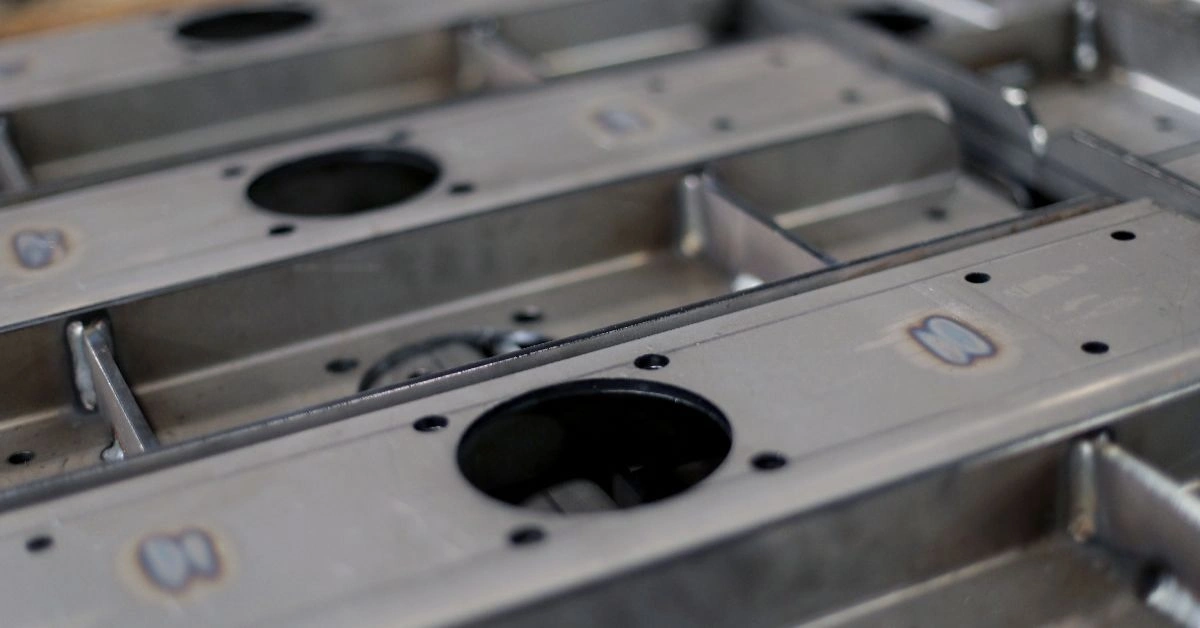
- Welding and Assembling: Permanently joining independent components through expert welding techniques to create a cohesive, durable final product.
Because this methodology is entirely scalable, it serves an incredibly diverse range of sectors, from producing delicate, ultra-precise medical equipment to heavy-duty, stress-resistant automotive car parts.
Custom vs. Mass-Produced Metal: A Strategic Choice
When evaluating hardware procurement, the choice typically comes down to a direct comparison: custom vs mass-produced metal.
Standard, off-the-shelf parts certainly have their place. If a production line requires basic hardware of standard sizes, shapes, and everyday materials, mass-produced items are perfectly adequate. However, complications arise when standard parts are forced into non-standard systems.
Consider how the two methods stack up when evaluating long-term production value:
|
Operational Metric |
Mass-Produced Items | Custom Metal Fabrication |
|
Design Intent |
Rigid, pre-determined shapes | 100% tailored to complex layouts |
|
Material Compatibility |
Limited to high-volume alloys | Wide variety of application-specific metals |
| Production Fit | Requires manual adjustments on-site |
Drops directly into the assembly line |
| Component Lifespan | Standard wear-and-tear durability |
Premium quality built for heavy operational stress |
From an investment standpoint, relying on standard parts often introduces hidden costs. When a component doesn’t fit perfectly, internal teams must waste valuable man-hours cutting, grinding, or modifying it.
Choosing custom fabrication eliminates these bottlenecks. By outsourcing the manufacturing of specialized components, businesses drastically streamline manufacturing process workflows, experience fewer equipment breakdowns, and eliminate the need to house expensive fabrication machinery in-house.
Maximizing Industrial Efficiency with the Right Partner
Achieving a truly seamless, cost-effective production line requires more than just ordering custom parts, it requires partnering with an experienced fabricator who understands the nuances of material expenses and industrial efficiency. If you’re unsure where to start, we’ve put together questions to ask before hiring a fabricator so you know exactly what to look for.
A professional fabricator helps bridge the gap between complex engineering concepts and flawless physical execution. For instance, when sourcing components from an established provider like RiAlto Manufacturing, businesses gain access to optimized production methods that directly lower material expenses.
The ideal integration strategy involves using precision-engineered custom prototypes or custom fixtures that minimize manual touchpoints on the assembly line. Whether a project requires individual specialty components or hundreds of interlocking industrial storage panels, outsourcing to dedicated experts allows an internal team to focus entirely on core assembly and business growth without sacrificing structural quality.
FAQS
What is custom metal fabrication, and what processes does it include?
It is the process of building tailored metal parts to specific requirements, primarily involving the cutting, shaping, welding, and assembling of metal raw materials.
Why is custom fabrication better than traditional manufacturing methods?
It offers unlimited design flexibility, accommodates complex shapes, and allows for specialized material selection that off-the-shelf parts cannot match.
Is custom metal fabrication more expensive than buying mass-produced items?
While the upfront cost may seem higher, it saves money long-term by reducing manual labor, cutting down on material waste, and eliminating equipment overhead.
How does RiAlto Manufacturing help streamline the production process?
RiAlto delivers parts that are cut, bent, and assembled to your exact specifications, which eliminates the need for extra adjustments and reduces worker touchpoints.
Why do custom-made products offer higher quality than mass-produced alternatives?
Custom products are built with individual care and strict attention to detail, making them more durable and capable of better long-term performance.
Conclusion
Embracing custom metal fabrication is one of the most effective ways to maximize business efficiency and increase productivity. By moving away from restrictive off-the-shelf limitations and investing in specialized, made-to-order hardware, you give your business a distinct competitive edge.
Ready to eliminate production bottlenecks and optimize your workflow? Contact RiAlto Manufacturing today to discuss your next project with our team of experts![/vc_column_text][/vc_column][/vc_row]