Which is better powder coating or anodizing?

Which is better powder coating or anodizing

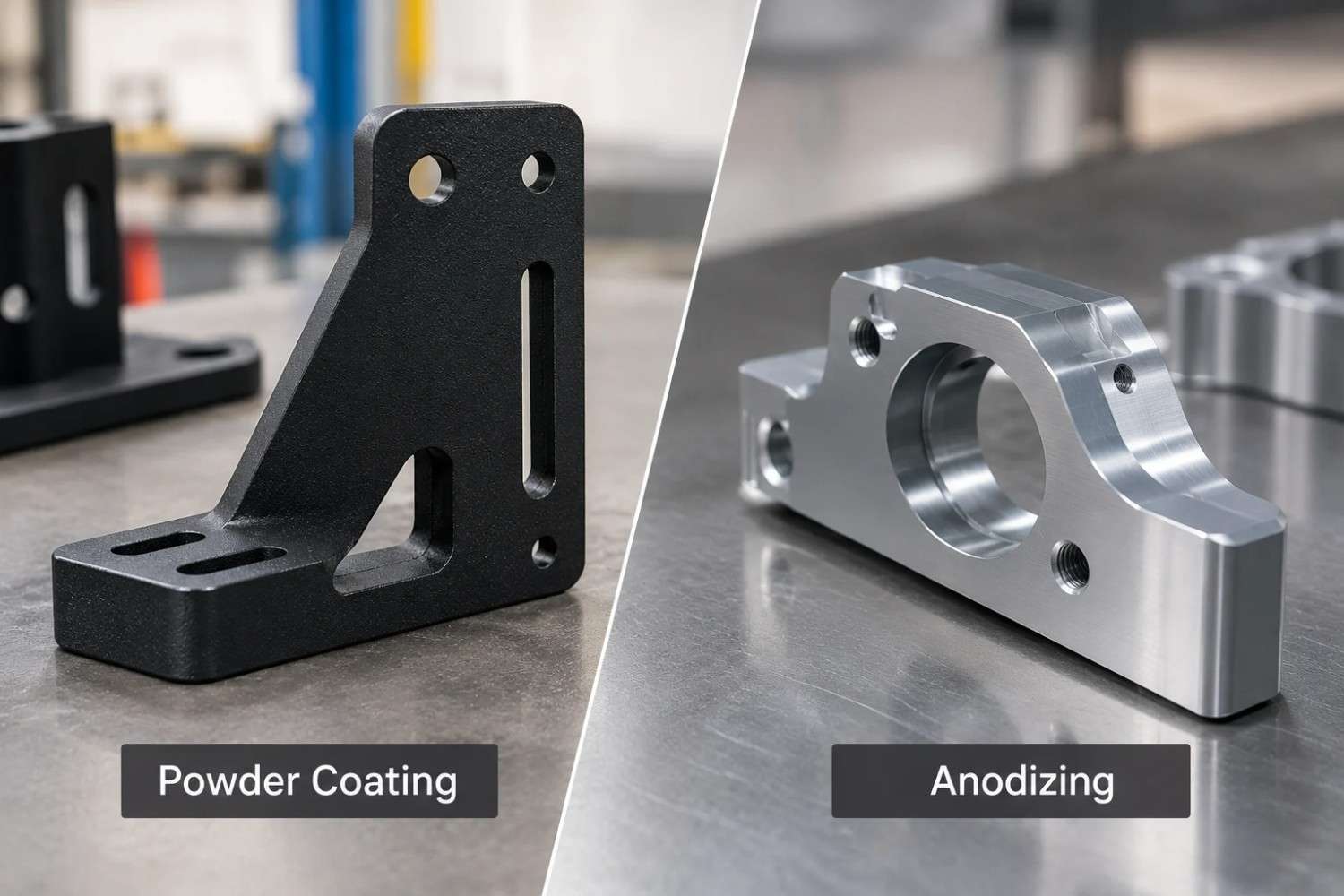
Neither finish wins every time. Choose anodizing for aluminum parts that need tight tolerances, wear resistance, and a natural metallic look. Choose powder coating for steel parts, large or welded assemblies, bold colors, impact resistance, and lower cost. If your part is steel, the choice is already made, because anodizing is not an option.

Continue Reading

Sheet Metal Gauge Chart: Steel, Aluminum, Stainless & Silver Thickness in Inches and mm

sheet metal gauge chart

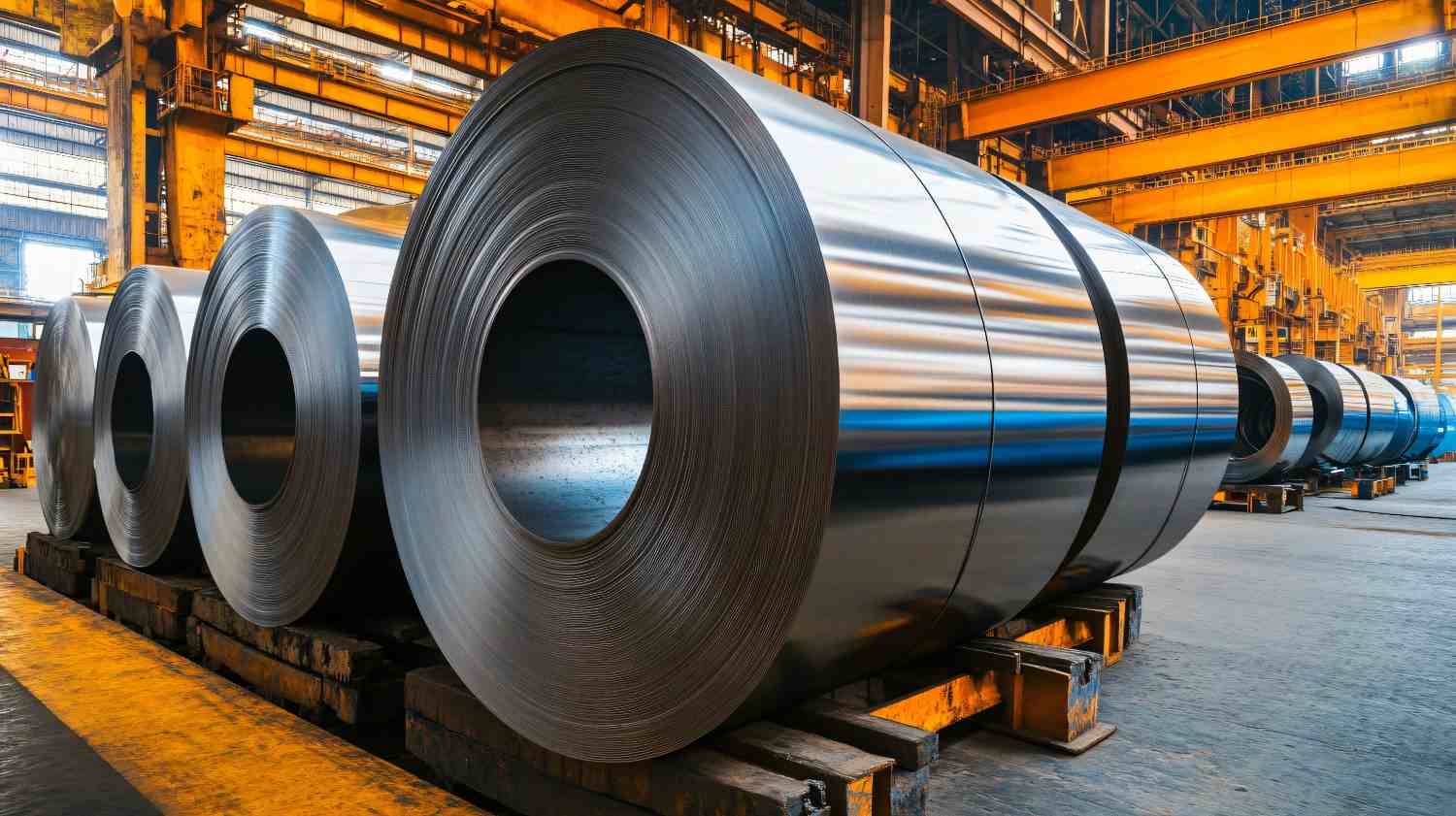
A sheet metal gauge chart converts a gauge number into real thickness, and the rule is simple: the higher the gauge number, the thinner the metal. For mild steel, 10 gauge is 0.1345″ (3.42 mm), 14 gauge is 0.0747″ (1.90 mm), and 16 gauge is 0.0598″ (1.52 mm). But the same number means a different thickness in aluminium, stainless, and galvanized steel, so match the chart to your material before you order, cut, or bend.

Continue Reading

7 Common Metal Fabrication Methods (And How to Pick the Right One)

Other Industrial Cutting Methods vs. Laser Cutting 

If you’ve ever sent a print to a fabricator, you may have gotten back a question. Something like “laser or waterjet?” or “weld it or bolt it?” This guide is for you. There are 7 common metal fabrication methods: cutting, bending (forming), welding, machining, casting, stamping, and finishing/assembly. Nearly every metal part on the market is built using some combination of these processes. That includes a bracket on a farm implement and a housing on a data center rack. Knowing what each one does helps in a few ways. You can talk to your supplier with confidence. You can choose the right metal fabrication techniques for your part. And you can get a project quoted before a redesign eats your budget.

Continue Reading

Fiber Laser vs CO2 Laser Cutting: What’s the Real Difference?

Serving Marion, Ohio and Central Ohio Manufacturers

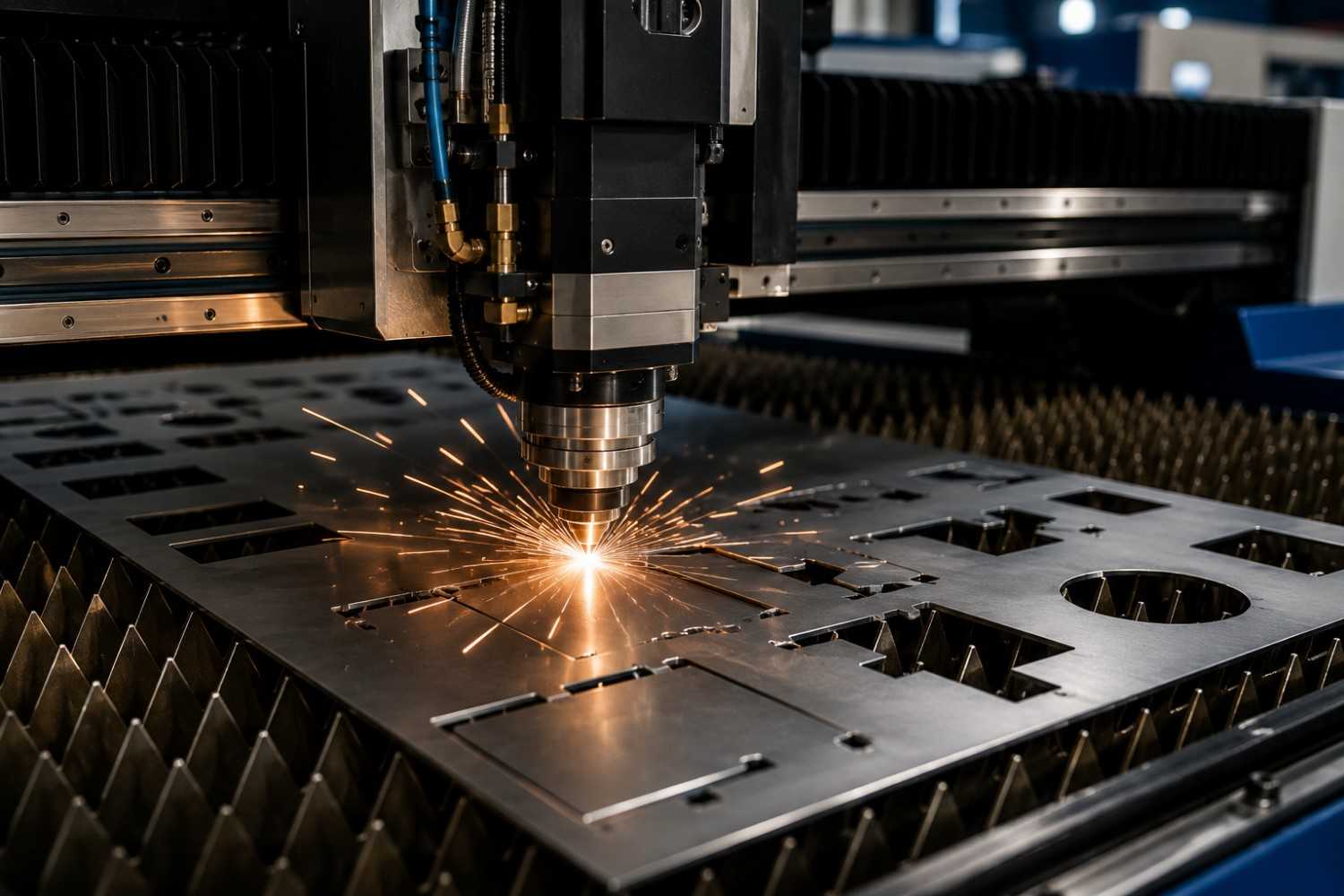
If you’re comparing fiber laser vs CO2 laser cutting, here’s the short answer: fiber lasers cut metal faster, run cheaper, and need less maintenance, while CO2 lasers still hold an edge on very thick plates and non-metal materials like wood, acrylic, and textiles. That’s exactly why fiber has become the industry standard for metal fabrication over the last decade and why CO₂ still hasn’t disappeared.

Continue Reading

How Much Does CNC Machining Cost? Complete 2026 Pricing Guide

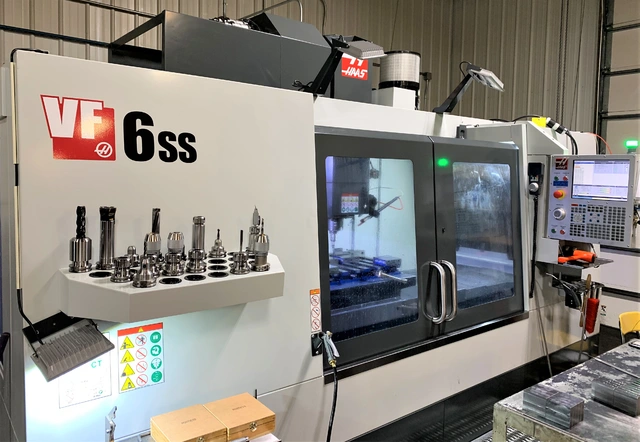
Haas CNC milling machine | Rialto Manufacturing Inc

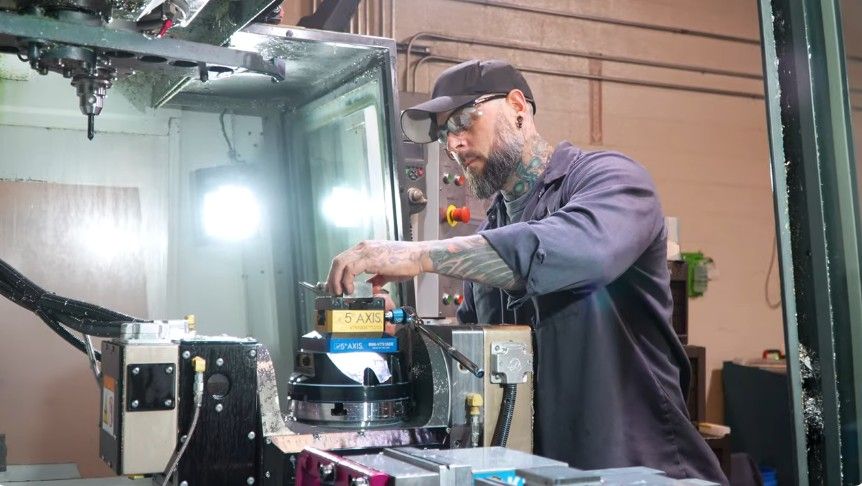
CNC machining costs between $75 and $150 per hour on average for US shops in 2026, with simple 3-axis milling running $40–$75/hr and complex 5-axis or Swiss-turned work, reaching $100–$250/hr. On a per-part basis, most prototype and low-volume parts land between $30 and $300 each, while production-run parts drop to $5–$60 apiece once setup and programming costs are spread across larger quantities. Beyond the hourly rate, your final price depends on material, tolerance, part geometry, finishing, and order quantity, which is why two shops quoting the “same” part can land 2–3x apart.

Continue Reading

Water Jet Cutter vs Plasma: Which Process Fits Your Part?

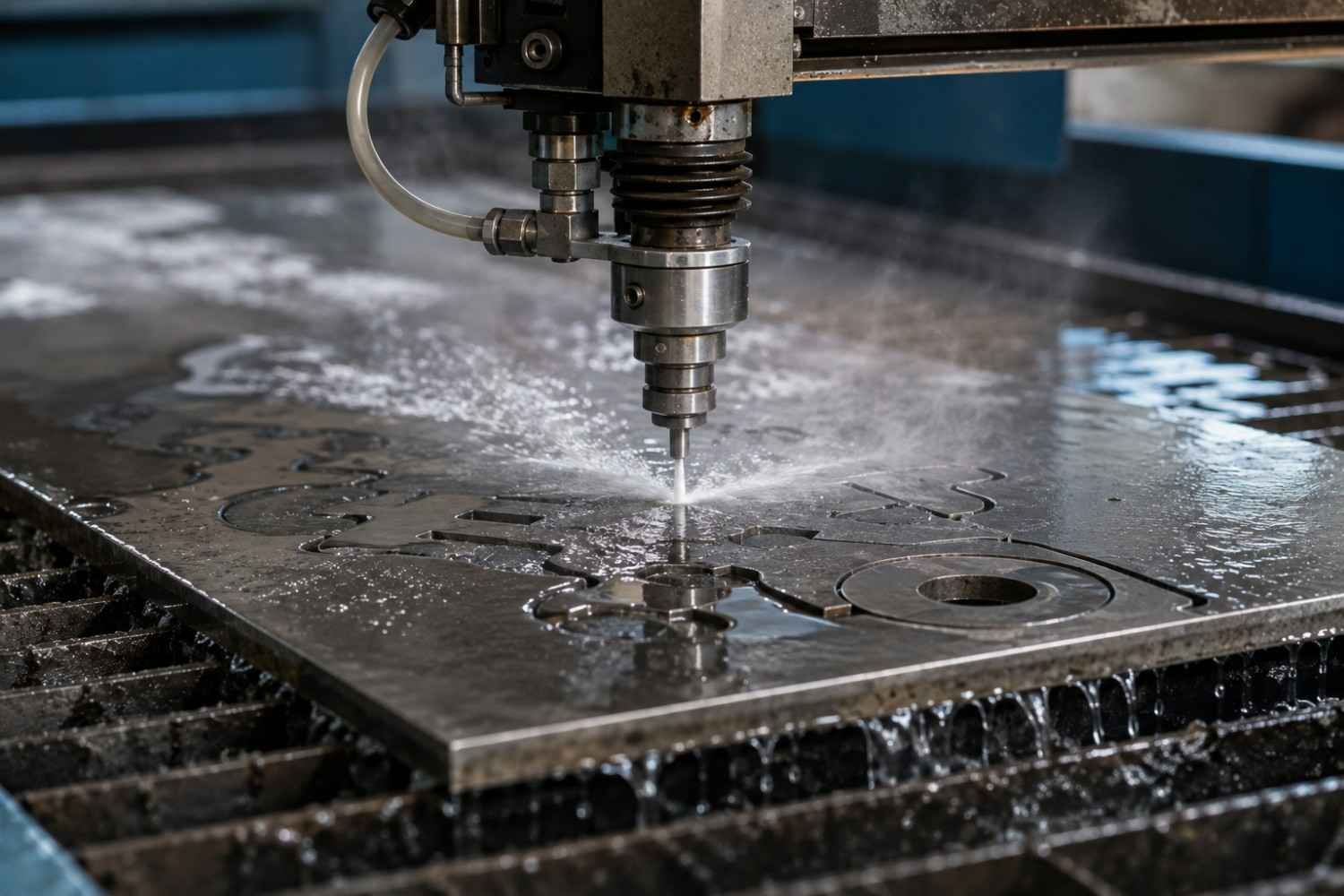
What Is Waterjet Cutting | Rialto

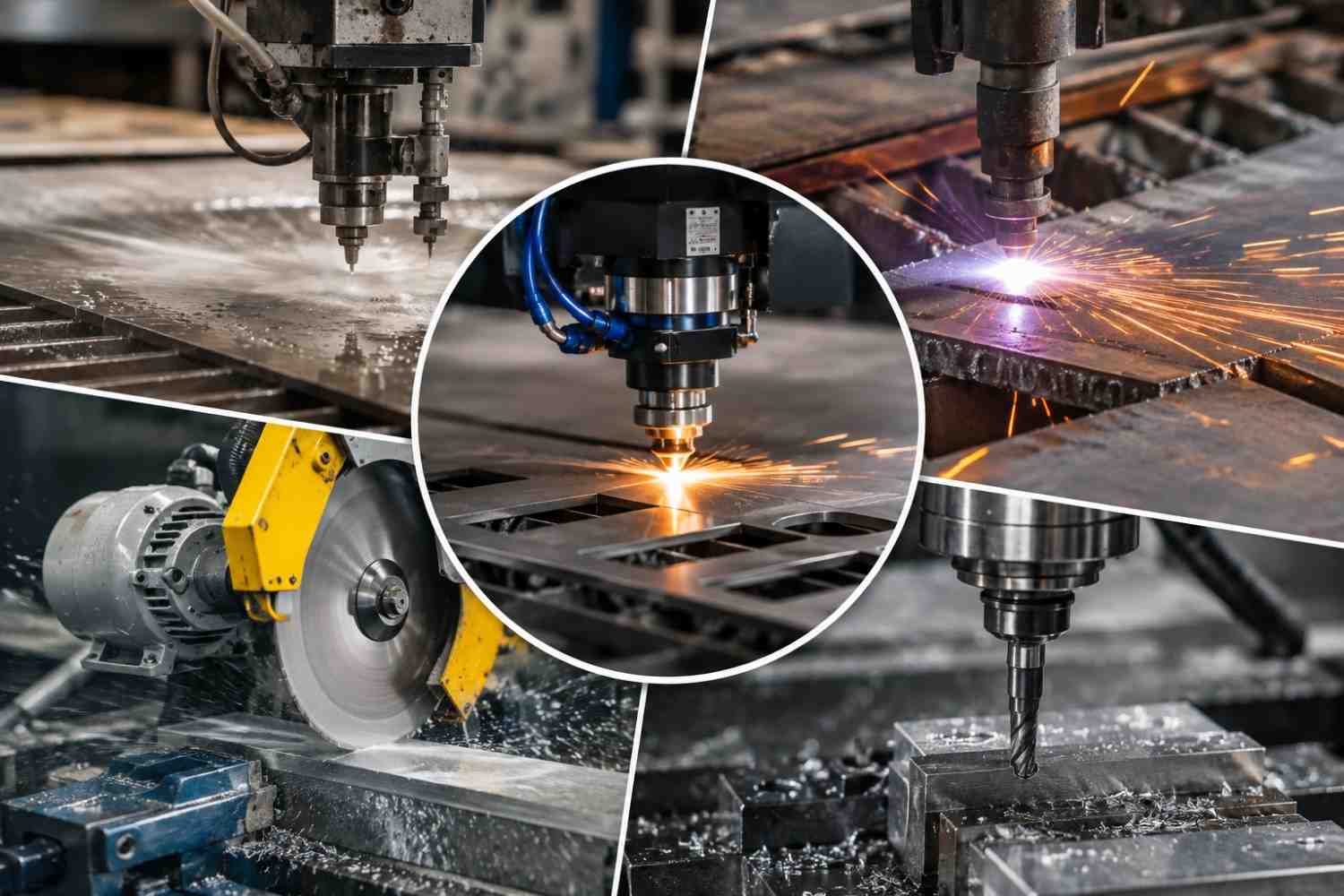
If you’re staring at a print, a material spec, and a deadline, the water jet cutter vs plasma decision usually comes down to one question: does this part need tight tolerance and a clean edge, or does it need to be cut fast and affordably? Both machines cut metal well. Neither is “better” in every situation, and picking the wrong one can mean scrapped material, a blown budget, or a part that doesn’t hold up in the field.

Continue Reading